Mastering Oatmeal Porridge: Perfect Ratios for Creamy Oats
There's a reason oatmeal porridge has been a breakfast staple for centuries: it's warm, comforting, incredibly versatile, and packed with wholesome goodness. But not all oatmeal is created equal. Achieving that truly *creamy*, non-mushy, perfectly textured bowl often feels like a culinary mystery. If you've ever wondered
how to make oatmeal porridge that rivals your favorite café, the secret lies not just in the ingredients, but in understanding the delicate balance of ratios and technique.
Forget bland, watery, or gluey oats. We're about to unlock the precise methods and insider tips to transform humble oats into a silky, satisfying meal that keeps you fuller for longer. Beyond the deliciousness, oats are a nutritional powerhouse – 100% whole grain, rich in fiber, antioxidants, and essential vitamins and minerals. Naturally gluten-free (when certified) and vegan, they’re the ultimate adaptable canvas for a healthy start to your day. This guide will walk you through crafting the perfect base, ensuring creamy results every single time.
The Foundation: Understanding Your Oats and Liquids
Before we dive into the golden ratios, it’s crucial to understand the stars of our show: the oats themselves, and the liquid you choose. Different types of oats behave differently, influencing cooking time and final texture.
*
Rolled Oats (Old-Fashioned Oats): These are the champions for creamy stovetop porridge. They've been steamed and flattened, allowing them to cook relatively quickly (5-10 minutes) while maintaining a lovely chew and absorbing liquid beautifully to create that desired creamy texture without becoming overly mushy. This guide primarily focuses on rolled oats for their superior creaminess.
*
Quick Oats (Instant Oats): These are rolled oats that have been further processed (steamed longer, cut smaller) to cook even faster. While convenient, they tend to produce a softer, sometimes gummier texture and are less ideal for a truly *creamy* porridge with body.
*
Steel-Cut Oats (Irish Oats): These are whole oat groats cut into smaller pieces. They have a chewier texture and nutty flavor but require a longer cooking time (20-30 minutes) and more liquid. While delicious, they won't achieve the same kind of silky creaminess as rolled oats.
When it comes to liquid, your choice also plays a significant role in the final texture and richness:
*
Water: The simplest option, resulting in a lighter-tasting porridge. It's great for letting the natural flavor of the oats shine and is lower in calories.
*
Milk (Dairy or Dairy-Free): This is where the magic happens for *creamy* oats. The fats and proteins in milk (whether cow's milk, oat milk, almond milk, or rice milk) interact with the oats to create a significantly richer, smoother, and more luxurious texture. Oat milk, in particular, enhances the oat flavor and contributes to an incredibly creamy consistency.
*
Combination: Many find a 50/50 blend of water and milk offers the best of both worlds – creaminess without being overly heavy, and a slight reduction in calories compared to all milk.
For an even deeper dive into achieving that perfect consistency, explore our guide on
How to Make Creamy Stovetop Oatmeal for a Healthy Start.
The Golden Ratio: Liquid to Oats for Ultimate Creaminess
This is the cornerstone of mastering oatmeal porridge. The precise ratio of liquid to oats dictates everything from consistency to cooking time. For rolled oats, the sweet spot for achieving that sought-after creamy, yet not soupy or gluey, texture is generally around a
1:2.5 ratio (oats to liquid).
Let's break this down further based on your liquid preference:
*
For Water-Only Porridge: Use 1 part rolled oats to 2.5 parts water. For example, for a single serving, use 1/2 cup rolled oats and 1 1/4 cups water. This ratio ensures the oats fully absorb the liquid, becoming tender and satisfying. While not as rich as milk-based oats, proper cooking will still yield a pleasant, creamy texture.
*
For Milk-Only Porridge: Use 1 part rolled oats to 2 parts milk. For a single serving, this would be 1/2 cup rolled oats to 1 cup milk. The higher fat and protein content in milk means you need slightly less liquid to achieve a luscious, thick consistency. Using too much milk can make it too thin or take longer to thicken. This ratio delivers unparalleled creaminess.
*
For a Water and Milk Combination: This is often the preferred choice for a balanced, creamy bowl. Start with 1 part rolled oats to 2.5 parts liquid, with the liquid being a 50/50 mix of water and milk. So, for 1/2 cup rolled oats, you'd use 5/8 cup water and 5/8 cup milk (total 1 1/4 cups liquid). This blend offers the richness of milk with a lighter feel.
Pro Tip for Customization: Always consider your desired final consistency. If you prefer a very thick porridge, you might lean closer to a 1:2 ratio. If you like it a bit looser, a 1:3 ratio might be your preference, especially when using water. Remember that oats will continue to thicken as they cool.
Essential Ingredients Beyond Oats and Liquid
While oats and liquid are the main actors, a few supporting roles are critical for an outstanding performance.
*
Salt: Do NOT skip the salt! A tiny pinch of salt (about 1/8 to 1/4 teaspoon per serving) is a game-changer. It doesn't make your oatmeal salty; instead, it remarkably enhances the natural sweetness and nutty flavor of the oats, balancing the overall taste profile. Without it, your porridge can taste flat.
*
Optional Sweetener: While optional, a touch of sweetness can elevate your bowl. Add it towards the end of cooking or just before serving.
*
Natural options: A drizzle of maple syrup, honey, agave nectar, or a sprinkle of brown sugar.
*
Fruit-based: Mashed banana or apple sauce can provide natural sweetness.
Optional Add-Ins for Flavor & Nutrition
Once you’ve mastered the base, the sky's the limit for customization. These add-ins can be mixed in during the last few minutes of cooking or stirred in just before serving.
*
Protein Boosts: To make your porridge even more satiating, consider adding:
*
Chia seeds or flaxseed: 1-2 tablespoons per serving. They absorb liquid, thicken the oats, and provide omega-3s and fiber.
*
Protein powder: Stir in a scoop of your favorite plain or flavored protein powder (whey or plant-based) at the very end to avoid clumps.
*
Nut butters: A spoonful of almond, peanut, or cashew butter adds healthy fats, protein, and incredible flavor.
*
Hidden Veggies: For an extra nutrient boost that's virtually undetectable:
*
Finely grated zucchini: As suggested by culinary experts, about 1/2 to 1 cup of grated zucchini per 1/2 cup of oats can be stirred in during cooking. It disappears as it cooks and is completely neutral in flavor.
*
Pumpkin puree: A couple of tablespoons can add creaminess, flavor, and a dose of vitamins without drastically altering the taste.
*
Healthy Fats: A small knob of unsalted butter or a teaspoon of coconut oil stirred in at the end can add an extra layer of richness and a silky mouthfeel.
Step-by-Step Guide: How to Make Oatmeal Porridge on the Stove
The stovetop method is revered for producing the creamiest, most satisfying oatmeal. Here's a foolproof guide using our golden ratios:
1.
Combine Liquids and Salt: In a medium saucepan, combine your chosen liquid (water, milk, or a combination) and the pinch of salt. For 1/2 cup of rolled oats, you'll use approximately 1 to 1 1/4 cups of liquid (adjust based on milk content and desired consistency).
2.
Bring to a Simmer: Place the saucepan over medium-high heat and bring the liquid to a gentle boil.
3.
Add Oats: Once simmering, stir in your rolled oats.
4.
Reduce Heat and Simmer: Immediately reduce the heat to low. This is crucial for creamy, not sticky, oats. Let the oats simmer gently, uncovered, for 5-10 minutes.
5.
Stir Frequently: During the simmering process, stir the oatmeal frequently, almost continuously, especially towards the end. This agitation helps release the oats' natural starches, which thicken the porridge and contribute significantly to its creamy texture. It also prevents sticking to the bottom of the pan.
6.
Check for Doneness: The oatmeal is ready when the liquid is mostly absorbed, the oats are tender, and the porridge has reached your desired creamy consistency. If it's too thick, add a splash more liquid. If too thin, continue to simmer for another minute or two, stirring often.
7.
Serve: Remove from heat, let it sit for a minute or two (it will continue to thicken slightly), then pour into a bowl.
Elevating Your Bowl: Toppings & Customizations
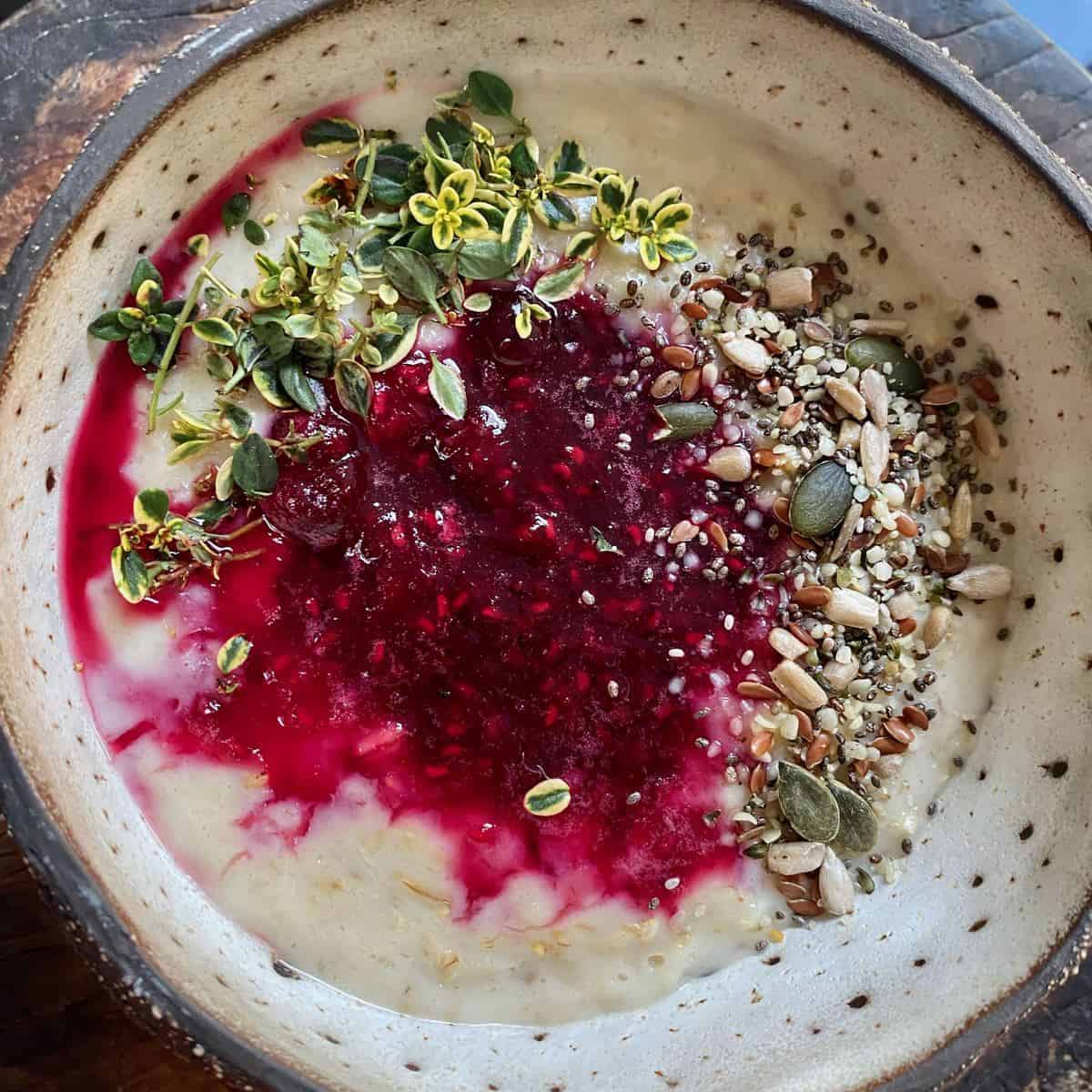
A perfectly creamy base is just the beginning. The beauty of oatmeal porridge lies in its endless customization possibilities. Think of your oatmeal as a blank canvas waiting for your culinary artistry!
*
Fresh Fruit: Berries (strawberries, blueberries, raspberries), sliced banana, diced apple, pear, or kiwi add natural sweetness, vitamins, and freshness.
*
Dried Fruit: Raisins, cranberries, chopped dates, or apricots offer concentrated sweetness and chewiness.
*
Nuts and Seeds: A sprinkle of chopped almonds, walnuts, pecans, pumpkin seeds, sunflower seeds, or toasted coconut flakes adds crunch, healthy fats, and protein.
*
Spices: Cinnamon, nutmeg, cardamom, or a pinch of pumpkin spice can transform the flavor profile. Add these during the last minute of cooking for deeper infusion.
*
Sweeteners: A final drizzle of maple syrup, honey, or a sprinkle of brown sugar.
*
Nut Butters: Swirl in a dollop of your favorite nut butter for extra richness and flavor.
*
Yogurt: A spoonful of Greek yogurt can add a tangy counterpoint and an extra protein boost.
For more ideas on customization and a truly easy, healthy start, check out our guide on
Classic Oatmeal Porridge: Easy, Healthy & Customizable Recipe.
Conclusion
Mastering
how to make oatmeal porridge isn't about complex techniques; it's about understanding the synergy between your ingredients and a few key steps. By embracing the right oat-to-liquid ratios – particularly the golden 1:2.5 for rolled oats with water, or 1:2 with milk – and incorporating that crucial pinch of salt and frequent stirring, you can consistently achieve a divinely creamy, perfectly textured bowl. This versatile and nutritious breakfast offers endless possibilities for customization, ensuring every morning can start with a warm, comforting, and deliciously healthy meal tailored to your exact preferences. So go ahead, experiment with your favorite add-ins, and enjoy the art of the perfect porridge!