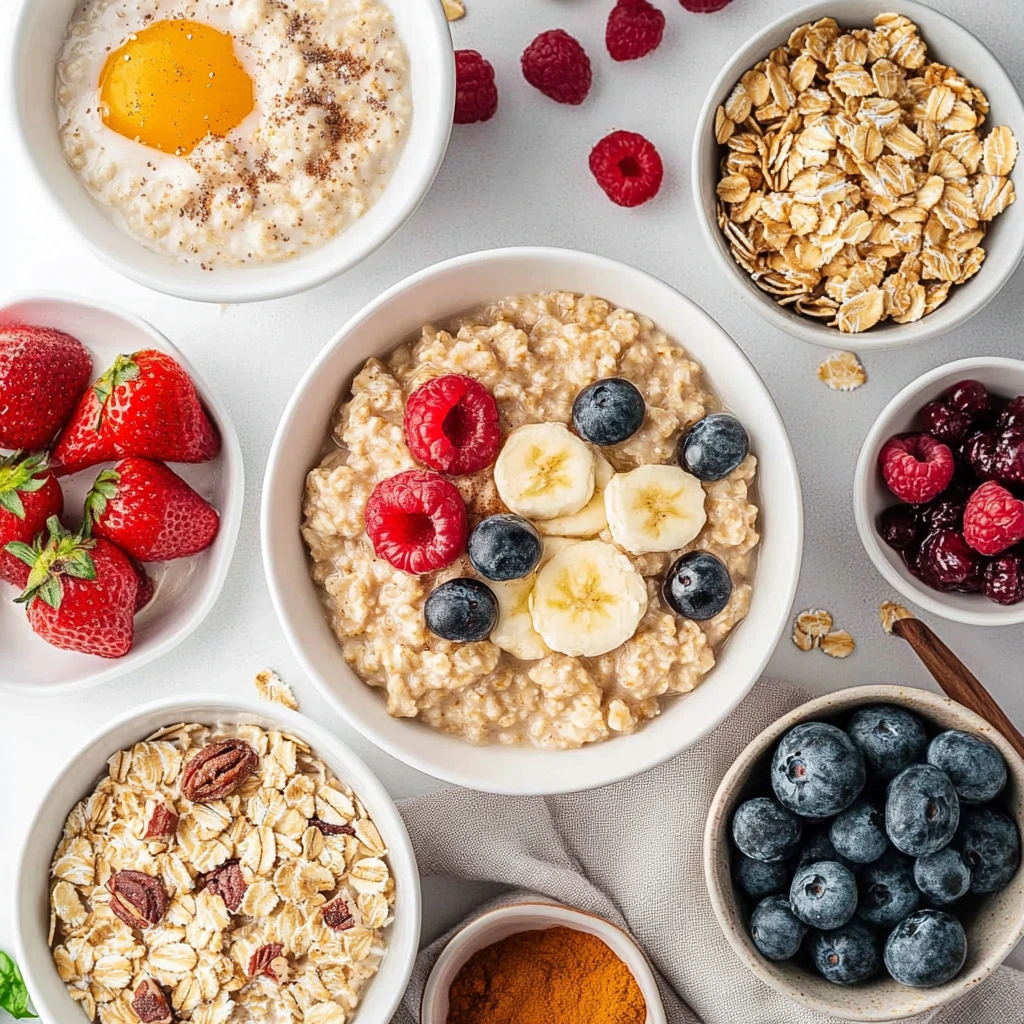
Classic Oatmeal Porridge: Your Easy Guide to a Healthy, Customizable Breakfast
Start your day the right way with a warm, comforting bowl of classic oatmeal porridge. Far from being a bland breakfast, oatmeal is a versatile powerhouse – easy to make, incredibly healthy, and endlessly customizable to suit any palate or dietary need. Whether you're looking for a quick morning meal, a nutritious boost, or a cozy breakfast to savor, mastering
how to make oatmeal porridge on the stove is a fundamental skill that will serve you well. Forget mushy or gluey oats; with our guide, you'll achieve perfectly thick, creamy, and satisfying results every time.
Why Oatmeal Porridge Reigns Supreme for Breakfast
Oatmeal porridge isn't just a traditional breakfast; it's a superfood star. What makes it so popular and beneficial?
*
Nutritional Powerhouse: Oats are 100% whole grain, packed with essential vitamins and minerals like manganese, phosphorus, magnesium, copper, iron, and zinc. They are also rich in antioxidants, which help combat oxidative stress in the body.
*
Rich in Fiber: One of oatmeal's most celebrated benefits is its high fiber content, particularly soluble fiber called beta-glucan. This fiber is known to help lower cholesterol levels, stabilize blood sugar, and promote a feeling of fullness, keeping you satisfied and energized for longer. This makes it an excellent choice for weight management and sustained energy throughout your morning.
*
Naturally Gluten-Free & Vegan: Oats are inherently gluten-free, making them suitable for those with gluten sensitivities (just be sure to choose certified gluten-free oats to avoid cross-contamination). When prepared with water or plant-based milk, oatmeal is also completely vegan and dairy-free, catering to a wide range of dietary preferences.
*
Ultimate Blank Canvas: Perhaps the most appealing aspect of oatmeal is its adaptability. It's a humble base ready to be transformed with a myriad of flavors and textures, making it impossible to get bored. From sweet to savory, tropical to decadent, your oatmeal can be whatever you imagine.
Essential Ingredients for Your Perfect Bowl
The beauty of classic oatmeal porridge lies in its simplicity. You only need a few core ingredients to create a delicious and wholesome base.
*
Rolled Oats: For the ideal creamy, chewy texture without being overly mushy, old-fashioned rolled oats are your best bet. They cook relatively quickly and hold their shape well. While quick oats can be used for an even faster cook, they tend to yield a softer, more uniform texture. Steel-cut oats, on the other hand, require a longer cooking time but result in a chewier, heartier porridge. If you require it, always opt for certified gluten-free rolled oats to ensure no cross-contamination.
*
Liquid Base (Water and/or Milk): This is where you control the richness and creaminess of your porridge.
*
Water: For a lighter, lower-calorie option that allows the pure oat flavor to shine.
*
Milk (Dairy or Plant-Based): Adds incredible creaminess and richness. Oat milk is a fantastic choice, complementing the oats perfectly, but almond milk, soy milk, cashew milk, or even dairy milk (if not vegan) all work wonderfully. Each will impart a slightly different flavor profile and level of creaminess.
*
Combination: Many prefer a mix of water and milk (e.g., half water, half milk) to achieve a perfect balance of richness and lightness.
*
A Pinch of Salt: Do not underestimate the power of a tiny pinch of salt! It doesn't make your oatmeal savory; instead, it enhances the natural sweetness and depth of flavor in the oats, making a profound difference to the overall taste.
*
Optional Sweetener (to taste): While many prefer to sweeten their porridge after cooking, you can add a touch during preparation. Options include maple syrup, honey, brown sugar, or agave nectar.
Step-by-Step Guide: How to Make Oatmeal Porridge on the Stove
Mastering
how to make oatmeal porridge on the stovetop ensures a superior creamy texture that microwaves often can't achieve. Here’s how to do it:
1.
Measure Your Ingredients: The classic ratio is typically 1 part oats to 2 parts liquid (1:2). For a thicker porridge, use slightly less liquid (e.g., 1:1.75), and for a thinner consistency, add a bit more (e.g., 1:2.5). Experiment to find your ideal texture. For example, for one serving, you might use ½ cup rolled oats and 1 cup liquid. For more detailed insights on ratios, read our guide on
Mastering Oatmeal Porridge: Perfect Ratios for Creamy Oats.
2.
Combine in a Small Pot: Add your rolled oats, chosen liquid, and that crucial pinch of salt to a small saucepan.
3.
Bring to a Simmer: Place the pot over medium-high heat and bring the mixture to a gentle boil, stirring occasionally to prevent sticking.
4.
Reduce Heat and Simmer: Once boiling, reduce the heat to low, ensuring the mixture is just barely simmering. Stir frequently to prevent sticking to the bottom of the pot and to encourage the oats to release their starches, which creates that desirable creamy texture.
5.
Cook Until Creamy: Continue to simmer for about 5-7 minutes, or until the liquid is absorbed, and the oats have reached your desired consistency. They should be tender, thick, and creamy, not watery or overly dry. If it gets too thick, you can always stir in a splash more liquid.
6.
Rest and Serve: Remove the pot from the heat and let the oatmeal stand for 1-2 minutes. This allows it to thicken slightly more. Ladle into a bowl and prepare for customization! For further tips on achieving that perfect texture, check out
How to Make Creamy Stovetop Oatmeal for a Healthy Start.
Elevate Your Bowl: Customization & Topping Ideas
This is where the fun truly begins! Oatmeal is your canvas, and the possibilities for adding flavor and nutrition are endless.
Add-Ins During Cooking (for a deeper infusion):
*
Protein Boosts: Stir in 1-2 tablespoons of chia seeds, flaxseeds, or hemp seeds (or a mix!) along with the oats and liquid. They will absorb liquid, thicken the porridge, and add healthy fats, fiber, and protein. A scoop of your favorite plain or vanilla protein powder can also be whisked in towards the end of cooking.
*
Hidden Veggies: For a nutrient stealth mission, finely grate zucchini (1/2 to 1 cup per 1/2 cup of oats) and stir it into the pot. As it cooks, it virtually disappears, adding moisture and nutrients without altering the flavor.
*
Spices: Warm spices like cinnamon, nutmeg, cardamom, or a pumpkin pie spice blend can be added directly to the pot for a fragrant, comforting flavor.
*
Flavor Extracts: A dash of vanilla extract or almond extract stirred in at the very end can add a beautiful aroma and subtle sweetness.
Post-Cooking Toppings (for texture, flavor, and visual appeal):
*
Fresh Fruit: Berries (strawberries, blueberries, raspberries), sliced banana, chopped apples, pears, or peaches add natural sweetness, vitamins, and a burst of freshness.
*
Dried Fruit: Raisins, dried cranberries, chopped dates, apricots, or figs offer concentrated sweetness and chewiness.
*
Nuts and Seeds: A sprinkle of chopped almonds, walnuts, pecans, pumpkin seeds, or sunflower seeds provides healthy fats, protein, and a satisfying crunch.
*
Nut Butters: A dollop of peanut butter, almond butter, or cashew butter adds rich flavor, healthy fats, and extra protein, making your bowl even more satisfying.
*
Sweeteners: Drizzle with maple syrup, honey, agave nectar, or sprinkle with brown sugar for an extra touch of sweetness.
*
Flavor Boosters: Cocoa powder or chocolate chips for a decadent treat, shredded coconut for a tropical twist, or a dollop of yogurt for tanginess and creaminess.
Pro Tips for Oatmeal Porridge Perfection
*
Don't Rush the Process: While oatmeal is quick, cooking it on low to medium-low heat and stirring regularly is key to a creamy, non-gluey texture. Rushing it on high heat can result in unevenly cooked oats and a sticky mess.
*
Adjust Consistency: If your oatmeal becomes too thick while cooking or sitting, simply stir in an extra splash of hot water or milk until it reaches your preferred consistency. If it's too thin, continue to simmer for another minute or two, stirring constantly.
*
Salt is Non-Negotiable: Even if you prefer sweet oatmeal, that tiny pinch of salt truly makes all the difference in bringing out the oats' best flavor.
*
Batch Cooking: You can cook a larger batch of plain oatmeal at the beginning of the week and store it in an airtight container in the refrigerator for up to 3-4 days. In the morning, simply reheat a portion on the stovetop or in the microwave with a splash of milk or water.
Conclusion
Learning
how to make oatmeal porridge is more than just following a recipe; it's about unlocking a world of healthy, satisfying, and delicious breakfast possibilities. This humble whole grain offers an incredible foundation for starting your day with sustained energy and abundant nutrients. With just a few basic ingredients and simple stovetop technique, you can create a perfectly creamy bowl every time, ready to be customized with your favorite flavors. So, grab your oats, get creative, and enjoy the endless versatility of this timeless classic!