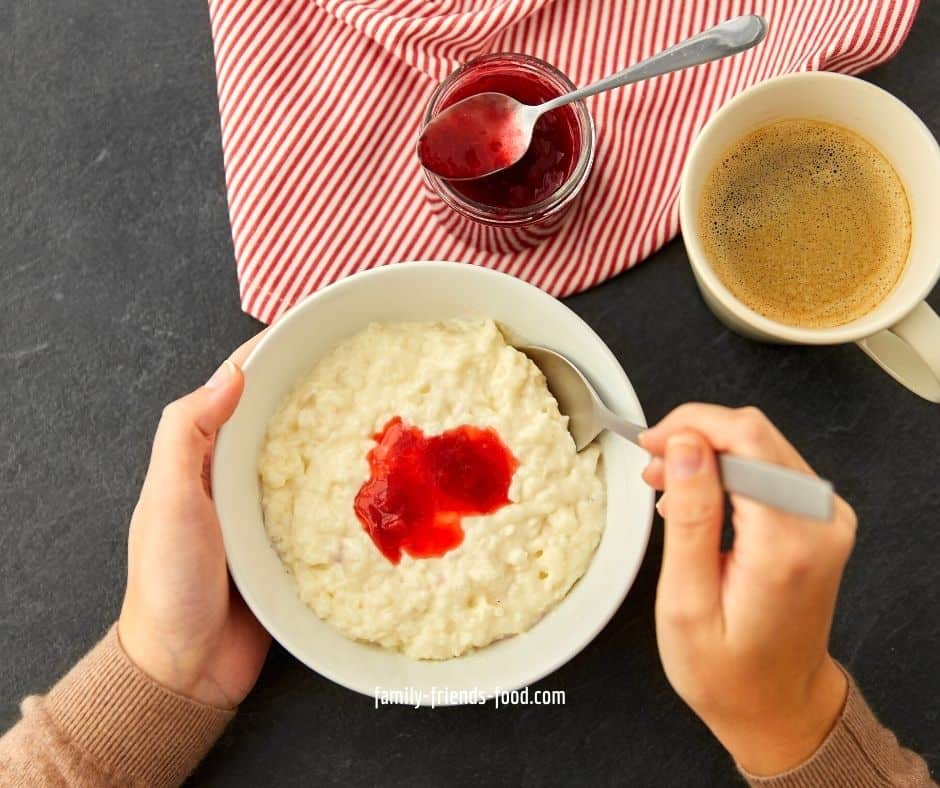
How to Make Creamy Stovetop Oatmeal for a Healthy Start
Imagine waking up to a bowl of warm, comforting oatmeal – not the thin, watery kind, nor the gluey, overcooked mess, but a perfectly creamy, thick, and satisfying porridge. This isn't just a dream; it's an achievable daily reality with the right technique for
how to make oatmeal porridge on the stovetop. Far from being a bland breakfast, a well-prepared bowl of oatmeal is a delicious, wholesome foundation that can be customized in endless ways to suit your taste and nutritional needs.
Oatmeal porridge has been a breakfast staple for centuries, and for good reason. It’s incredibly versatile, naturally gluten-free (when certified), vegan, and packed with nutrients. Whether you're a seasoned oat enthusiast or new to the world of whole grains, mastering the basic stovetop method is your gateway to consistently delightful and healthy mornings. This guide will walk you through the simple steps, essential ingredients, and clever tips to transform humble rolled oats into a creamy masterpiece every single time.
The Power of Oats: Why Oatmeal is Your Morning Champion
Beyond its comforting warmth and delicious potential, oatmeal stands out as a true nutritional powerhouse, making it an excellent choice for a healthy start to your day. Let’s dive into why oats deserve a permanent spot in your pantry:
*
100% Whole Grain Goodness: Oats are a whole grain, meaning they contain the bran, germ, and endosperm – all the good stuff! This translates to a richer nutrient profile compared to refined grains.
*
Fiber Rich: A standout feature of oats is their high fiber content, particularly soluble fiber known as beta-glucan. This type of fiber is celebrated for its ability to help lower cholesterol levels, stabilize blood sugar, and promote a feeling of fullness, which can aid in weight management. A hearty bowl of oatmeal keeps you satisfied for longer, preventing mid-morning energy slumps and unhealthy snacking.
*
Nutrient Dense: Oats are loaded with essential vitamins and minerals, including manganese, phosphorus, magnesium, copper, iron, zinc, and B vitamins. These play crucial roles in energy production, bone health, and immune function.
*
Antioxidant Boost: Oats contain powerful antioxidants, including avenanthramides, which are unique to oats. These compounds have anti-inflammatory and anti-itching properties, adding another layer to their health benefits.
*
Naturally Gluten-Free (with a caveat): While oats are inherently gluten-free, they are often processed in facilities that also handle gluten-containing grains, leading to cross-contamination. If you have celiac disease or gluten sensitivity, always opt for oats specifically labeled as "certified gluten-free."
*
Vegan Friendly: Oats are a plant-based food, making them an ideal base for vegan and dairy-free diets, especially when prepared with water or plant-based milks.
By understanding these benefits, you'll appreciate that your morning bowl of oatmeal isn't just tasty; it's an investment in your long-term health and well-being.
Mastering the Basics: Your Stovetop Oatmeal Ingredients
Creating the perfect creamy stovetop oatmeal begins with a few simple, high-quality ingredients. The beauty of this recipe lies in its minimalist foundation, allowing for endless customization later.
*
Rolled Oats: For the ideal creamy texture without becoming mushy, rolled oats (also known as old-fashioned oats) are your best bet. They strike a perfect balance, cooking faster than steel-cut oats but maintaining more texture than quick oats. If you require it, ensure they are certified gluten-free. While other oat varieties can be used, they will significantly alter cooking times and the final texture.
*
Liquid of Choice: Water and/or Milk: This is where you control the creaminess and calorie content.
*
Water: Using primarily water yields a lighter, lower-calorie porridge. It allows the pure oat flavor to shine through, which can be great if you plan on adding strong flavors later.
*
Milk: For a truly luxurious, creamy finish, milk is key. I often use a combination of water and milk, but feel free to use all milk for maximum richness or all water for a lighter option. For a vegan or dairy-free alternative, oat milk is a fantastic choice that enhances creaminess, but almond milk, soy milk, or even homemade rice milk work beautifully. Dairy milk can also be used for those who prefer it.
*
A Pinch of Salt: Do not underestimate the power of salt in oatmeal! Just a small pinch enhances the natural flavors of the oats and balances any sweetness you might add. It doesn't make it taste salty, but rather makes everything taste "more." This simple addition truly elevates the porridge from bland to brilliant.
These core ingredients are all you truly need to create a magnificent bowl of oatmeal. Everything else is an optional, delicious bonus.
Step-by-Step Guide: How to Make Creamy Stovetop Oatmeal Porridge
The secret to perfectly creamy stovetop oatmeal lies in the right oat-to-liquid ratio and a gentle cooking process. Forget those dry, clumpy bowls of the past; follow these steps for a consistently delicious result.
1.
Choose Your Ratio: The ideal oat-to-liquid ratio is typically 1:2 (one part oats to two parts liquid). So, for ½ cup of rolled oats, you'll use 1 cup of liquid. This ratio yields a pleasantly thick and creamy consistency. If you prefer your oatmeal a bit thinner, you can slightly increase the liquid, or for a very thick porridge, reduce it slightly. Experiment to find your personal preference. For a deeper dive into ratios and how they impact texture, explore our guide on
Mastering Oatmeal Porridge: Perfect Ratios for Creamy Oats.
2.
Combine Ingredients: In a small to medium saucepan, combine your rolled oats, liquid (water, milk, or a combination), and that crucial pinch of salt. Stir briefly to ensure everything is well mixed.
3.
Bring to a Boil: Place the saucepan over medium-high heat and bring the mixture to a gentle boil. Keep an eye on it to prevent it from boiling over, especially if using milk.
4.
Reduce Heat & Simmer: Once boiling, reduce the heat to low, ensuring the oatmeal is barely simmering. This slow, gentle cook is essential for creaminess. Stir occasionally to prevent sticking to the bottom of the pan and to encourage even cooking. As the oats cook, they release their starches, which thicken the liquid and create that desirable creamy texture.
5.
Cook Until Creamy: Continue to simmer for about 5-7 minutes, or until the oats have absorbed most of the liquid and reached your desired consistency. They should be tender, plump, and creamy, but still have a pleasant chew without being mushy. If the oatmeal becomes too thick before the oats are fully cooked, simply add a splash more liquid and continue to simmer.
6.
Rest & Serve: Once cooked, remove the saucepan from the heat and let it sit for a minute or two. This brief rest allows the oatmeal to thicken further and cool slightly. Give it one final stir, then transfer it to your serving bowl.
Beyond the Basic Bowl: Flavorful Add-Ins and Toppings
The true magic of stovetop oatmeal lies in its incredible versatility as a blank canvas. Once you have your perfectly creamy base, the possibilities for customization are virtually limitless. This is where you can truly make your oatmeal a personalized healthy powerhouse.
Nutritional Boosters (Stir In While Cooking or Immediately After):
*
Protein Power: Enhance satiety and muscle repair by stirring in 1-2 tablespoons of chia seeds or flaxseed meal while cooking. They absorb liquid and thicken the porridge further. Alternatively, a scoop of your favorite plain or flavored protein powder can be mixed in right after cooking, ensuring it dissolves smoothly. A DIY seed mix (like pumpkin, sunflower, and sesame seeds) is also a fantastic addition.
*
Hidden Veggies: For a stealthy nutritional upgrade, try stirring in finely grated zucchini or carrots (about ½ to 1 cup per ½ cup of oats) during the last few minutes of cooking. They cook down, disappear into the oats, and are virtually undetectable in flavor, adding vitamins and fiber without changing the taste.
*
Spices: Warm spices like cinnamon, nutmeg, cardamom, or a pumpkin pie spice blend can be added directly to the pot with the oats for a fragrant and comforting aroma that infuses throughout. A touch of vanilla extract after cooking can also brighten the flavors.
Flavor Enhancers & Toppings (Add Before Serving):
*
Fresh Fruit: Berries (strawberries, blueberries, raspberries), sliced banana, diced apples, peaches, or pears add natural sweetness, vitamins, and texture.
*
Dried Fruit: Raisins, cranberries, chopped dates, or apricots provide concentrated sweetness and chewy texture.
*
Nuts & Seeds: A sprinkle of chopped almonds, walnuts, pecans, or pepitas adds healthy fats, protein, and a satisfying crunch. Nut butters like peanut butter, almond butter, or cashew butter can be swirled in for extra creaminess and flavor.
*
Sweeteners: While fresh fruit provides natural sweetness, a drizzle of maple syrup, honey, agave nectar, or a sprinkle of brown sugar can elevate the flavor. Start with a small amount and adjust to your preference.
*
Exotic Flavors: A sprinkle of shredded coconut, a few chocolate chips, or even a dollop of yogurt can transform your classic bowl into a gourmet experience.
For more inspiring ideas and combinations to make your breakfast truly shine, check out our comprehensive guide:
Classic Oatmeal Porridge: Easy, Healthy & Customizable Recipe. Remember, this is your bowl, so don't be afraid to experiment and discover your favorite combinations!
Common Questions & Troubleshooting for Perfect Porridge
Even with a simple recipe, questions can arise. Here are some common queries and troubleshooting tips to ensure your stovetop oatmeal is always a success.
*
Why is my oatmeal gluey or mushy? This often happens from overcooking, using too much liquid, or stirring too frequently with fine oats. Rolled oats are generally more forgiving. Ensure you’re cooking on low heat and only stirring occasionally, allowing the oats to swell naturally. If it gets too thick, add a splash of liquid, don't just keep stirring a solid mass.
*
My oatmeal is too thin. What did I do wrong? Likely too much liquid for the amount of oats, or it hasn't cooked long enough. Continue simmering gently, stirring occasionally, until it thickens. If it's already cooked and still too thin, you can stir in a spoonful of chia seeds or flaxseed meal and let it sit for a few minutes; they will absorb excess liquid and thicken it up.
*
Can I make a big batch for the week? Absolutely! Cook a larger quantity using the same ratio and method. Once cooked and cooled, store it in an airtight container in the refrigerator for up to 3-4 days. When reheating, add a splash of water or milk as it will thicken significantly, and warm gently on the stove or in the microwave.
*
What about different types of oats (quick oats, steel-cut oats)?
*
Quick Oats: These are rolled oats that have been further processed (steamed and rolled thinner) to cook faster. They can be used, but the texture will be softer and less chewy, potentially more mushy if overcooked. Use a 1:1.5 oat-to-liquid ratio and cook for 1-2 minutes.
*
Steel-Cut Oats: These are whole oat groats cut into pieces. They have a chewier, heartier texture and require a longer cooking time (around 20-30 minutes) and more liquid (1:3 or 1:4 ratio). While delicious, they are not the focus of this "creamy stovetop oatmeal" guide which emphasizes the quicker, creamier results of rolled oats.
*
How do I add protein powder without it clumping? For best results, stir protein powder into your oatmeal *after* it's finished cooking and removed from the heat. Gradually whisk it in with a little extra warm milk or water until smooth. Some protein powders are notoriously difficult to dissolve, so patience and a good whisk are key.
Armed with these tips, you're ready to conquer any oatmeal challenge and consistently produce a delightful, creamy bowl.
Your Daily Dose of Delicious Wellness
Learning
how to make oatmeal porridge on the stovetop is more than just learning a recipe; it's adopting a habit that nurtures your body and delights your taste buds. This simple, comforting dish offers a wealth of health benefits, from sustained energy and digestive health to vital nutrients, all wrapped up in a bowl that can be endlessly customized to your preferences. By focusing on quality ingredients, the right ratio, and a gentle cooking method, you'll consistently achieve that perfect, creamy texture without the dreaded mushiness. So, ditch the instant packets and embrace the art of stovetop oatmeal. Your mornings – and your health – will thank you for it.